
One of Mr. Brave’s first words in arabic was ‘tani,’ the word for more.
Those of you with a little person learning to speak may have noticed that ‘again’ or ‘more’ are some of the first words that they learn. Whether they are wanting more pushes on the swing, read that same story or watch that same movie.
Again and again and again.
In the Refugee Camp, my little man would circle our shipping container home countless times on his little metal bike. After each lap he would reappear with just as much delight as the last. With a delighted squeal he would yell ‘tani’ as he embarked on his next lap.
Together with his little friends he had countless rides on the wheel barrow around our home until whoever was carting them felt like their arms were about to drop off. ‘Tani!’ ‘tani!’ they would protest as the grown-up pulling the cart would retire with exhaustion or boredom.
Can this activity really still be that fantastic? I often wondered as day in day out my little man and his friends requested more joy rides.
G.K. Chesterton proposed,
‘Because children have abounding vitality, because they are in spirit fierce and free, therefore they want things repeated and unchanged. They always say, “Do it again”; and the grown-up person does it again until he is nearly dead. For grown-up people are not strong enough to exult in monotony.’
It’s interesting that Chesterton suggests that it takes ‘strength’ to exult in daily monotony. We generally perceive children to be the weak, immature ones.
Perhaps grown-up people are not strong enough to exult in daily monotony?
Perhaps children have a daily strength that we lose in our growing up?
Strength to see the beauty and adventure in the little things of life.
Strength to experience joy in the repetitive and monotonous.
With the accumulation of years do we forsake this strength that we once possessed?
GOD AND DAILY MONOTONY
Chesterton goes onto say,
But perhaps God is strong enough to exult in monotony. It is possible that God says every morning, “Do it again” to the sun; and every evening, “Do it again” to the moon. It may not be automatic necessity that makes all daisies alike; it may be that God makes every daisy separately, but has never got tired of making them. It may be that He has the eternal appetite of infancy….
An eternal appetite for infancy? An eternal appetite to be like a child?
How do we reclaim this child-like appetite in the midst of daily monotony?
I think we must spend time with those who have their senses awake to beauty we no longer really see.
Children.
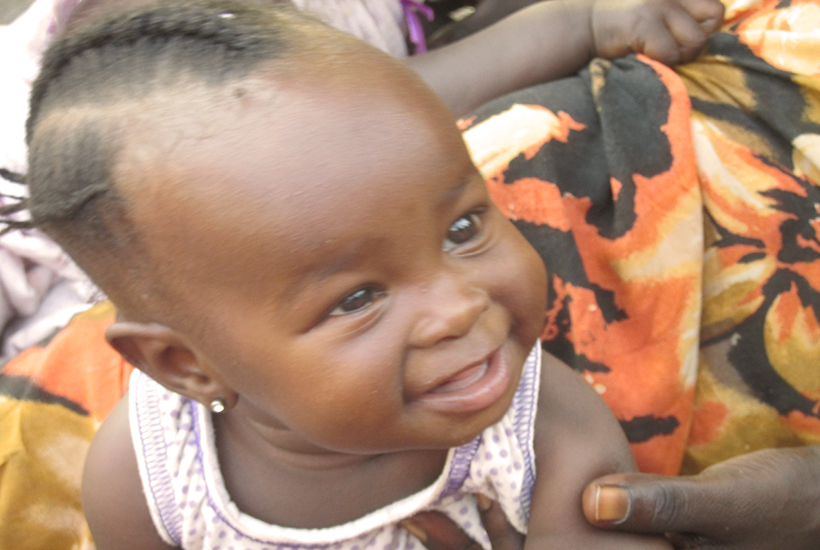

Rather than multitasking every moment we spend with our children, perhaps we need to purpose to be present in the moments of their childhood. To wonder and to learn from them.
For I think children may have keys to the Kingdom that we have lost.
My son has taught me how to turn a place in the park, into an imaginary river teaming with turtles and dolphins who offer us joy rides. And he has tuned my ears to listen more carefully for helicopters and aeroplanes flying by.
My ponderings as I learn from him: Perhaps we need to be counter-cultural in what we teach our children. Faster is not always better. More stimulating does not equal more nourishing for our soul. Ordinary is often good. Repetitive things can be deeply meaningful. The ability to enjoy a monotonous activity over and over is a gift. A child-like gift.
Let’s restrain ourselves from continually entertaining our kids. Let’s refrain from over-stimulating them with the ‘new’ and ‘exciting’. Let’s not destroy their appetite for the simple. Rather let’s keep their senses awake, so they can find delight in the ordinary and joy in the repetitive parts of their daily lives.
Let’s learn from them and dare to allow our senses to become young again. Despite the daily monotony in our parenting.
Grace and peace
Hope
FURTHER READING
G.K Chesterton quote found at https://www.goodreads.com/quotes/19966-because-children-have-abounding-vitality-because-they-are-in-spirit
Matthew 18:2-4 “2 He called a little child to him, and placed the child among them. 3 And he said: “Truly I tell you, unless you change and become like little children, you will never enter the kingdom of heaven. 4 Therefore, whoever takes the lowly position of this child is the greatest in the kingdom of heaven.”
 Hallelujah in the Mountains